

CapabilitiesFeatures of Power Systems Asset Management
Everything you need to manage power assets effectively in one powerful platform. our comprehensive solution brings together all the tools utility operators need to maximize grid reliability, prevent unplanned outages, extend asset life, and ensure regulatory compliance. No more scattered spreadsheets or delayed maintenance.
Asset Registry & Classification
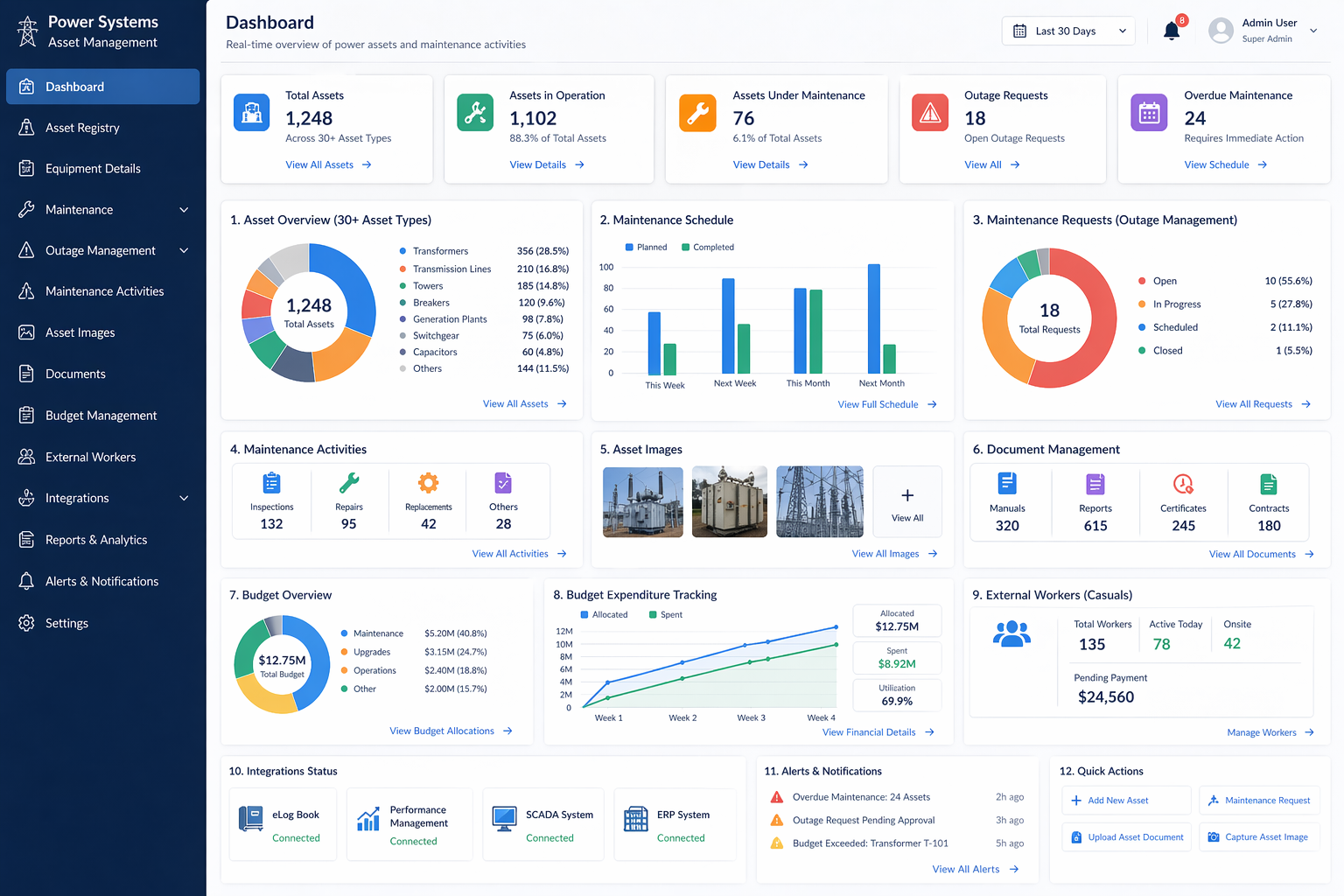
Serves as a centralized master database for all grid and field assets within utility operations. Assets such as transformers, circuit breakers, feeders, cables, switchgear, and metering devices are classified by type and linked to location, voltage level, and station hierarchy. This creates a structured, geographically accurate asset map that supports maintenance planning, switching, outage coordination, and compliance audits.
Technical Specifications & Metadata
Each asset record captures detailed technical and operational attributes, including electrical ratings, manufacturer details, serial numbers, commissioning dates, warranties, configurations, load ratings, and test certificates. It aligns static asset data with real-time telemetry and eLog Book inputs to ensure accuracy. This enables faster fault analysis, correct configuration verification, and reliable lifecycle documentation for all assets.
Technical Specifications & Metadata
Each asset record includes detailed technical and operational data such as electrical ratings, manufacturer details, serial numbers, commissioning dates, warranties, configurations, load ratings, and test certificates. It aligns static asset metadata with real-time telemetry and eLog Book data to ensure consistency and accuracy. This supports engineers in verifying configurations, accelerating fault analysis, and maintaining reliable lifecycle documentation.
Condition Monitoring & Diagnostics
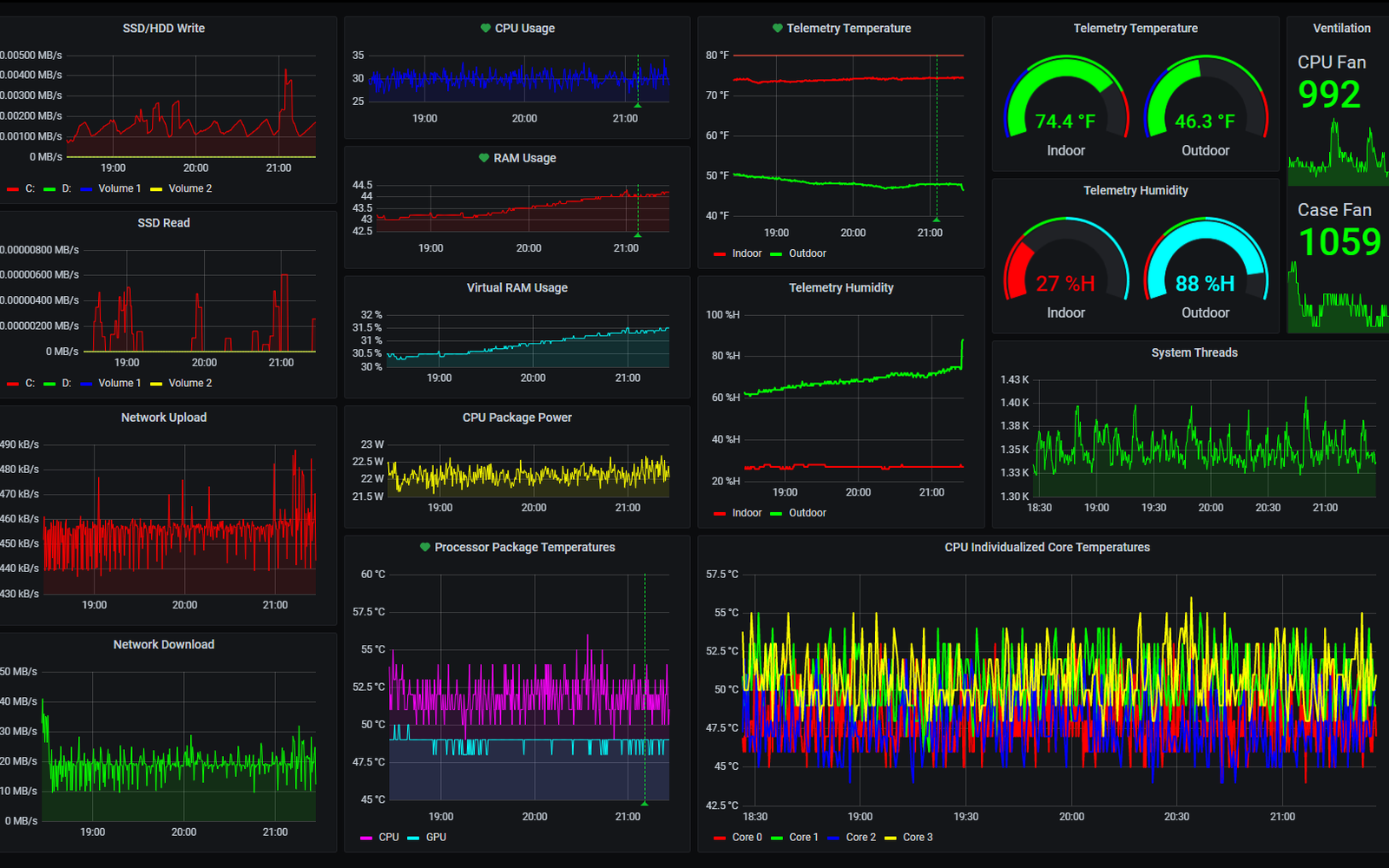
Integrates with the Telemetry system to provide real-time monitoring of asset health. Captures key parameters such as transformer temperature, oil levels, loading, breaker operations, relay events, alarms, fault currents, and diagnostic sensor data. Detected anomalies are automatically logged into the eLog Book for tracking, analysis, and escalation. This enables early fault detection, reduced outages, and predictive maintenance through combined real-time and historical insights.
Maintenance & Work Management
Coordinates the full maintenance lifecycle, including planning, scheduling, execution, and close-out. Integrates with Planned Outage Management to align switching instructions, LOTO clearances, work orders, manpower, and materials. All maintenance activities, test results, inspections, and corrective actions are recorded and synchronized across systems. This ensures compliance, consistent reporting, and a fully traceable history of work on each asset.
Performance & Reliability Analytics
Using operational, maintenance, and telemetry data, this module performs long-term performance and reliability analysis. It generates key metrics such as failure frequency, outage impact, MTBF, MTTR, breaker wear, transformer loading and thermal aging, and fault and degradation trends. These insights support reliability engineering, regulatory reporting, maintenance optimization, and grid planning.
Lifecycle & Replacement Planning
Tracks each asset’s lifecycle from installation to decommissioning. Evaluates age, condition, failure history, maintenance costs, and performance to support accurate replacement planning. Helps utilities forecast capital investments, prioritize critical replacements, reduce system risk, and optimize renewal budgets. Ensures ageing or high-risk assets are replaced before they impact grid stability.
Compliance & Documentation
Centralizes all compliance materials, including technical drawings, inspection reports, commissioning certificates, test records, and audit findings. Links all documents directly to each asset and aligns eLog Book activities with compliance requirements. This simplifies audits, improves transparency, and ensures full traceability of every asset-related change or event.